
Views: 0 Author: Site Editor Publish Time: 2026-01-12 Origin: Site


In Short-Wave Infrared (SWIR) imaging systems, beam splitter prisms play a critical role in dividing light into distinct spectral bands for multi-spectral analysis. However, their effectiveness depends heavily on the quality of the light entering the system, which is where SWIR lenses come into play. These lenses are designed to focus SWIR light efficiently, ensuring that it is properly aligned before it reaches the beam splitter. If the light is not focused correctly, or if the beam splitter is not properly aligned, it can distort the light, misalign the focus, or cause spectral overlap, all of which can negatively impact image quality. Therefore, the interaction between the SWIR lens and beam splitter prism is crucial for achieving high-quality, accurate results. Properly focused light is essential for the beam splitter to divide the light into spectral bands accurately, ultimately determining the clarity and reliability of the images captured in SWIR imaging systems.
Beam splitter prisms play a crucial role in SWIR imaging systems, where they divide incoming light into different spectral bands for simultaneous multi-spectral analysis. These prisms rely heavily on the quality and focus of the light they work with, which is where SWIR lenses come in. Here's how beam splitter prisms interact with SWIR lenses and how they divide light into spectral bands for accurate analysis.
A beam splitter prism divides incoming light into distinct spectral bands based on wavelength, directing each band to a separate path. This allows for simultaneous capture of different parts of the spectrum, such as SWIR, visible, or near-infrared (NIR) light, making it possible to analyze various aspects of a subject in one imaging pass.
How It Works: The prism reflects certain wavelengths at specific angles while transmitting others. The key to accurate spectral separation lies in how well the light is focused and aligned as it enters the beam splitter prism.
For a beam splitter prism to effectively separate light into distinct spectral bands, the incoming light must be properly focused. If the light is unfocused or misaligned, the prism may not be able to accurately divide the light, leading to overlap between spectral bands, distorted images, or reduced image clarity.
How SWIR Lenses Help: SWIR lenses ensure that the incoming infrared light is precisely focused before it reaches the beam splitter. These lenses are designed specifically to handle the unique properties of SWIR wavelengths, ensuring that the light is sharply focused for accurate spectral separation by the prism.
When the light is properly focused by a SWIR lens, the beam splitter prism can effectively divide the light into distinct wavelengths without interference or distortion. This precise spectral separation is essential for high-quality, accurate multi-spectral imaging.
Example: In medical imaging, where both surface and deep tissue details are required, SWIR lenses focus the light before the beam splitter prism divides it into separate bands for detailed analysis of both visible and infrared data.
If the SWIR light is not focused correctly before entering the beam splitter, the beam splitter prism may fail to achieve clean spectral separation, resulting in blurred images, spectral overlap, or compromised image quality.
How It Affects SWIR Systems: In industrial inspection, for instance, poor light focus could lead to misinterpretation of material properties or defects, as the light won’t be effectively split into the necessary spectral components for accurate analysis.
In Short-Wave Infrared (SWIR) imaging systems, beam splitter prisms are essential for dividing light into multiple spectral bands for simultaneous analysis. However, if not properly aligned or optimized, these prisms can negatively affect image quality. Various factors, such as light distortion, focus misalignment, and spectral overlap, can degrade the clarity, accuracy, and overall performance of the imaging system. Here’s a detailed look at how beam splitter prisms can impact image quality in SWIR systems.
Beam splitter prisms rely on reflecting and transmitting light at specific angles to divide it into different spectral bands. If the light entering the prism is distorted—due to imperfections in the optical system or improper alignment—this can lead to blurred or misdirected spectral bands.
How It Affects Image Quality: Distorted light will cause the separated spectral bands to be misaligned, resulting in unclear or inaccurate images. This distortion can reduce the effectiveness of the imaging system, leading to false readings or misinterpretation of the material or object being analyzed.
Example: In industrial inspection, distorted light could make it difficult to detect surface defects or internal material properties, which may result in quality control issues.
Proper focus is critical for accurate spectral separation. If the light entering the beam splitter prism is not correctly focused, the prism will struggle to separate the light into distinct spectral bands, leading to image blurring and reduced clarity.
How It Affects Image Quality: Focus misalignment can cause the light to appear out of focus, with parts of the image appearing blurred or unclear. This misalignment may prevent the beam splitter from accurately dividing the light, thus affecting the quality of the captured image and the reliability of the data.
Example: In medical imaging, if the light is misaligned, it could blur the image, making it difficult to distinguish between healthy tissue and abnormalities such as tumors or blood flow issues.
A beam splitter prism's effectiveness hinges on its ability to divide light into distinct spectral bands without overlap. However, improper setup, poor calibration, or inadequate light focusing can lead to spectral overlap, where different wavelength bands are not sufficiently separated.
How It Affects Image Quality: Spectral overlap leads to confusion between spectral components, causing a loss of detail and reduced image accuracy. When multiple bands are not properly separated, it becomes harder to differentiate between materials or analyze specific properties based on wavelength.
Example: In environmental monitoring, spectral overlap can make it difficult to distinguish between different pollutants or vegetation types, reducing the effectiveness of the analysis.
Beam splitter prisms rely on precise alignment to function correctly. Any misalignment can compromise their ability to divide light into clean, distinct spectral bands. Misaligned prisms may lead to uneven light distribution, incorrect spectral separation, and a reduction in the overall quality of the image.
How It Affects Image Quality: Misalignment can result in a degraded image with blurred or overlapping spectral bands, leading to inaccuracies in the captured data. This is particularly detrimental in systems that rely on high-quality, precise imaging, such as in scientific research or military surveillance.
Example: In astronomy, misaligned beam splitters can blur the image of celestial objects, affecting the clarity of important data collected for research.
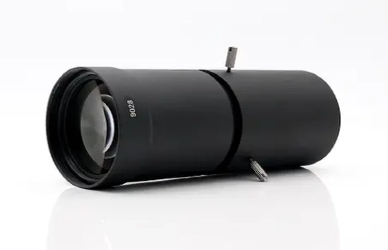
In Short-Wave Infrared (SWIR) imaging systems, beam splitter prisms and SWIR lenses must work together efficiently to achieve high-quality images. To prevent issues like distortion, focus misalignment, and spectral overlap, follow these best practices:
Correct alignment of the SWIR lens and beam splitter prism is essential for accurate spectral separation. Misalignment can lead to blurry images and spectral overlap.
Tip: Calibrate and align the SWIR lens and beam splitter as per the manufacturer's guidelines. Ensure precise positioning using alignment tools.
Low-quality lenses may distort SWIR light, affecting the performance of the beam splitter.
Tip: Use high-quality SWIR lenses made from germanium, silicon, or chalcogenide glass to ensure sharp focus and minimal distortion.
Properly focused light is essential for the beam splitter to function accurately. Misfocused light can cause image blurring and reduced clarity.
Tip: Regularly check and adjust the focus of the SWIR lens before it enters the beam splitter to maintain high-quality imaging.
Excessive or insufficient light can lead to overexposed or weak images. Proper light intensity ensures clear, well-defined images.
Tip: Use neutral density filters to control light intensity, ensuring the light entering the system is within the optimal range.
Chromatic aberrations can distort the image, affecting the accuracy of SWIR imaging.
Tip: Choose SWIR lenses with coatings that minimize chromatic aberrations and regularly check for distortion.
Dirt and dust can degrade image quality by scattering light or causing uneven focus.
Tip: Regularly clean optical surfaces using appropriate tools to prevent contamination and maintain image clarity.
Improper light separation can cause spectral overlap, reducing image clarity and accuracy.
Tip: Ensure the beam splitter is properly calibrated to cleanly separate spectral bands without overlap.
Routine maintenance ensures optimal performance and prevents degradation of optical components.
Tip: Schedule regular maintenance and recalibration to keep the system performing at its best and avoid issues with image quality.
Yes, if not properly aligned, a beam splitter prism can distort the light path, affecting the clarity and accuracy of the image captured by the SWIR lens.
Focus misalignment can lead to blurred or unfocused images, reducing the sharpness and clarity of the SWIR images produced by the system.
Yes, improper splitting by the beam splitter can cause spectral overlap, leading to inaccurate separation of wavelengths and diminished image quality.
Proper calibration, focusing, and alignment of the SWIR lens and beam splitter prism are crucial to ensure accurate spectral separation and optimal image quality.
Properly focusing SWIR light is crucial for achieving high-quality images in SWIR imaging systems. The SWIR lens ensures that the light entering the system is sharply focused, which directly impacts the performance of beam splitter prisms. If the light is not focused correctly, the beam splitter may fail to accurately separate spectral bands, leading to issues such as image distortion, focus misalignment, and spectral overlap. When aligned and focused properly, beam splitter prisms can enhance image quality by enabling precise multi-spectral analysis, capturing clear and accurate data across different wavelengths. However, poor alignment or misfocused light can degrade the system’s performance, resulting in blurred or inaccurate images. Therefore, the proper coordination of SWIR lenses and beam splitter prisms is essential for maintaining high-quality, reliable imaging in applications such as machine vision, medical diagnostics, and scientific research.


