
Views: 0 Author: Site Editor Publish Time: 2026-06-01 Origin: Site


Ophthalmic surgery is rapidly evolving today. We see a massive shift from manual optical tools to integrated, motorized platforms. This crucial transition transforms modern operating rooms entirely. Increasing surgical volumes for cataracts and vitrectomies create severe logistical challenges. High caseloads demand advanced equipment to keep pace constantly. You need reliable systems to minimize workflow interruptions effectively. Manual adjustments often cause unnecessary physical strain on surgeons. Over time, this repetitive stress impacts career longevity and daily performance. Addressing these intense physical demands is no longer optional. This article evaluates the clinical and ergonomic benefits of upgrading your equipment. You will discover how motorization directly improves daily surgical workflow. We explore the seamless integration of digital imaging and advanced optics. Finally, we provide healthcare decision-makers a clear, evidence-based framework for procurement. You will learn exactly how to evaluate new surgical systems confidently.
Workflow Efficiency: Motorized zoom, focus, and X-Y translation allow surgeons to maintain two-handed continuous operation, directly reducing procedure times.
Ergonomic Longevity: Hands-free adjustments mitigate neck, back, and shoulder strain, a critical factor in extending a surgeon's career.
Advanced Integration: Motorization serves as the foundational architecture for next-generation technology, including intraoperative OCT and 3D digital heads-up displays.
Total Cost of Ownership (TCO): While initial capital expenditure is higher, time saved per case and reduced maintenance of sealed motorized components yield long-term cost efficiency.
Surgeons face significant challenges during complex anterior and posterior segment procedures. Manual focus and zoom adjustments disrupt concentration frequently. Every time a surgeon reaches for a dial, they break the sterile field. This physical action also shifts their visual focus away from delicate eye tissues. An advanced Ophthalmic Operating Microscope eliminates these manual limitations entirely.
Hands-free operation relies heavily on highly responsive programmable foot pedals. These pedals reduce visual micro-interruptions during critical surgical moments. Case throughput accelerates significantly when surgeons maintain a steady operational rhythm. Faster procedures directly improve operating room scheduling efficiency overall. Facilities handle higher daily surgical volumes safely and effectively.
Modern eye surgery presents a constant "challenge-response" reality for doctors. They must manage frequent depth-of-field changes rapidly during cataract extractions. They must also maintain an optimal Red Reflex without breaking surgical concentration. Motorization serves as the direct response to these dual clinical challenges. It provides instantaneous optical adjustments based on the surgeon's immediate needs.
The 1:6 motorized zoom system provides immense clinical value daily. Surgeons scale their magnification smoothly without removing their hands from instruments. This hands-free capability ensures the sterile field remains completely uncompromised. You never have to step away from the eyepiece to turn a knob.
Motorized X-Y translation offers exact, microscopic recentering over the surgical field. This feature becomes critical during highly delicate tissue manipulation. Macular hole repairs and membrane peeling require absolute stability always. A motorized drive shifts the optical head in tiny, precise increments.
We can categorize these workflow impacts into three distinct areas:
Continuous Tool Control: Surgeons keep both hands active on micro-instruments constantly. They never pause to adjust mechanical focusing knobs.
Instant Micro-Recentering: Motorized X-Y coupling allows swift, accurate adjustments across the retina. This movement prevents accidental tissue damage during delicate sweeps.
Standardized Workflows: Teams save customized focal and lighting parameters easily. This standardization helps rotating staff members adapt quickly.
Programmable memory settings standardize the surgical workflow across different users. Teams save specific parameters for individual surgeons or distinct procedural stages. This preparation eliminates repetitive manual setup tasks before every single case. You simply load a personalized profile and begin operating immediately.
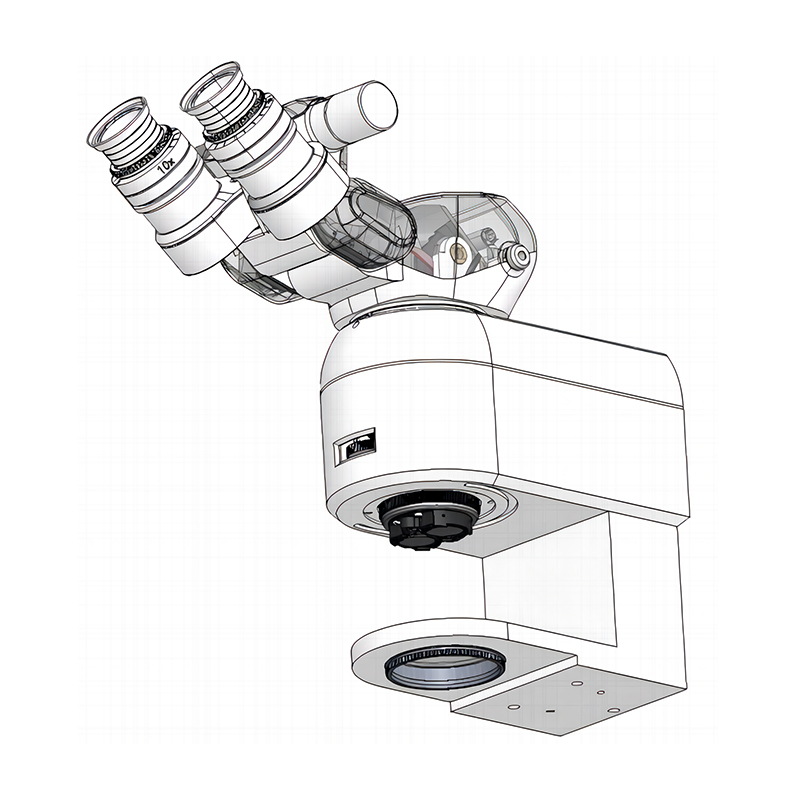
Ophthalmologists often suffer from severe, career-threatening musculoskeletal disorders. Static postures and repetitive manual adjustments drive this physical decline. Constantly reaching for manual dials strains the neck, back, and shoulders. You must consider physical sustainability a primary goal for any surgical team. Ignoring ergonomic risks leads to early retirement and chronic pain.
Foot-switch controlled motorized systems optimize the surgeon's posture significantly. The surgeon remains ergonomically seated throughout the entire procedure. They never need to stretch awkwardly or break their neutral spine alignment. This comfortable position mitigates muscular fatigue during long surgical lists. Ergonomic setups keep doctors sharp and focused on patient outcomes.
Motorization also acts as a vital prerequisite for digital imaging adoption. High-dynamic-range (HDR) 3D digital viewing systems require automated optical foundations. These advanced setups free surgeons from the physical constraints of traditional oculars. They look directly at a large monitor instead of bending over eyepieces. This modern heads-up approach extends surgical careers by eliminating chronic neck flexion.
Surgical platforms must manage illumination intelligently to protect vulnerable patients. Motorized systems automatically adjust lighting intensity alongside optical zoom levels. They sync halogen, xenon, or modern LED sources perfectly. This synchronization prevents retinal phototoxicity while maintaining a highly consistent Red Reflex. Automated lighting ensures safer outcomes for prolonged vitrectomy cases.
Motorization maximizes the true potential of premium apochromatic optics. It ensures incredibly smooth depth-of-field management during complex surgical maneuvers. Manual dial turning typically causes disruptive microscopic vibrations across the lens. Automated adjustments eliminate this mechanical vibration entirely. You experience crystal-clear visualization from the start to the finish.
A modern Ophthalmic Operating Microscope acts as a central hub for ecosystem integration. It easily connects with intraoperative Optical Coherence Tomography (OCT) modules. It also supports Augmented Reality (AR) digital overlays seamlessly. Future-proofing the operating room requires this robust foundational connectivity.
Let us compare a traditional setup against a motorized ecosystem:
System Capability | Traditional Manual Setup | Motorized Ecosystem |
|---|---|---|
Illumination Control | Static intensity requires manual dimming. | Dynamic intensity syncs directly to zoom. |
Optical Adjustments | Dials cause micro-vibrations and delay. | Foot pedals provide smooth, instant changes. |
Digital Integration | Limited to basic external camera mounts. | Built-in hubs support AR and OCT data. |
Workflow Consistency | Every surgeon manually calibrates the scope. | Memory profiles load exact user preferences. |
Here is a breakdown of how integration changes the operating room:
Automated light scaling protects delicate retinal tissues.
Vibration-free zooming preserves maximum optical clarity.
Open architecture allows future AR and OCT upgrades.
Digital overlays provide real-time biometric data directly.
Evaluating new equipment requires a strict features-to-outcomes approach. Procurement teams must compare specific technical metrics carefully before deciding. Apochromatic optics form the essential baseline for complete color accuracy. Foot pedal latency determines how quickly the system responds to commands. Motor smoothness dictates the level of vibration dampening achieved during operation.
New users face a distinct learning curve when adopting foot-pedal layouts. Training programs must address this transition to ensure absolute patient safety. Surgeons need time to build muscle memory for new hands-free controls. Proper onboarding minimizes frustration and maximizes daily clinical efficiency.
We can summarize critical evaluation metrics using this simple shortlisting chart:
Evaluation Metric | Clinical Importance | Ideal Technical Standard |
|---|---|---|
Optics Quality Baseline | Ensures accurate color and high tissue contrast. | Full Apochromatic lens integration. |
Foot Pedal Latency | Prevents delayed visual responses during critical steps. | Near-zero millisecond communication delay. |
Vibration Dampening | Maintains absolute visual stability under high zoom. | Sealed, continuous-drive motor housing. |
Evaluating vendor service level agreements prevents unexpected equipment downtime. You must assess the overall durability of sealed motorized components thoroughly. Teams should also review cable management requirements for clean operating rooms. Finally, modern devices connect to hospital networks for digital video recording. You must verify strict data security and compliance protocols beforehand. EMR integration demands robust cybersecurity protections against external threats.
A fully motorized ophthalmic surgical system is far more than an optical upgrade. It represents a comprehensive workflow and ergonomic intervention for modern hospitals. Motorization stabilizes the surgical field and accelerates case throughput dramatically. By removing manual barriers, doctors focus entirely on complex tissue interactions.
Clinical procurement teams should prioritize measurable gains in operating room efficiency. You must weigh these operational benefits alongside surgeon retention and patient safety. Advanced equipment directly supports the physical well-being of your dedicated medical staff. Ergonomic longevity ultimately improves the standard of care provided.
We encourage surgical facilities to arrange comprehensive clinical evaluations immediately. You should test foot pedal responsiveness under actual, high-pressure surgical conditions. Experiencing the pristine optical clarity firsthand ensures you make the right choice. Take decisive action today to transform your surgical environment completely.
A: Standard working distances typically range between 150mm and 200mm focal lengths. These specific objective lenses accommodate the unique spatial requirements of eye surgery. They provide ample room for surgical instruments while maintaining perfect focus on the anterior or posterior segments.
A: Motorized systems reduce overall surgical time by eliminating manual interruptions. They also feature synchronized illumination that automatically adjusts light intensity based on magnification. This automated light management minimizes the risk of prolonged tissue exposure and prevents dangerous phototoxicity.
A: Yes. Modern platforms feature open-architecture designs specifically built for digital integration. They easily support external high-definition cameras, 3D heads-up displays, and large teaching screens. This connectivity allows teams to record procedures and broadcast real-time feeds to students.
A: High-quality sealed motor systems demonstrate exceptional durability in clinical environments. They often outlast traditional manual mechanical gears when maintained properly. Facilities should follow standard manufacturer maintenance schedules to ensure these automated components perform reliably for a decade or more.


