
Views: 0 Author: Site Editor Publish Time: 2026-01-05 Origin: Site


Beam splitter prisms are crucial components in optical systems, enabling the separation of light into two or more paths. These prisms work by dividing light based on specific characteristics such as wavelength, intensity, or polarization, depending on the design and application requirements. In systems involving Short-Wave Infrared (SWIR) lenses, beam splitter prisms play an essential role in enhancing imaging capabilities. They allow for multi-channel or multi-spectral imaging, where light is split into different spectral bands to capture and analyze various components of the light simultaneously. This capability is particularly useful in fields like machine vision, medical imaging, and scientific research, where precise and multi-dimensional imaging is necessary. By improving efficiency and minimizing distortion, beam splitter prisms are integral to optimizing the performance of SWIR imaging systems and enabling a wide range of advanced optical applications.
Beam splitter prisms are crucial optical components designed to divide light into two or more paths within an optical system. These prisms are fundamental in enhancing imaging systems by enabling the simultaneous capture of multiple light components, particularly in multi-spectral and multi-channel imaging. Below is a breakdown of their functionality and importance.
Beam splitter prisms function by separating incoming light into multiple paths, which can be done based on different characteristics, such as:
Wavelength: In dichroic prisms, light is split according to its wavelength, with specific wavelengths transmitted or reflected in different directions.
Intensity: Some beam splitters work by dividing the light intensity, typically used when an equal division of light is required for different sensors.
Polarization: Certain beam splitters can separate light based on polarization, reflecting or transmitting polarized light at different angles.
In systems that include Short-Wave Infrared (SWIR) lenses, beam splitter prisms are particularly valuable for multi-spectral imaging. When paired with SWIR lenses, beam splitter prisms divide the incoming light into different spectral bands, enabling simultaneous analysis of different parts of the spectrum, such as SWIR, visible, and near-infrared light. This allows for multi-channel imaging, where multiple sensors can capture and process different wavelengths of light at the same time, providing more comprehensive data.
Beam splitter prisms are widely used in a range of applications, including:
Machine Vision: In industrial automation and quality control, beam splitters help capture different wavelengths for inspecting materials or detecting defects.
Medical Imaging: In medical systems, they enable multi-spectral or multi-modal imaging, enhancing diagnostic accuracy.
Spectroscopy: Beam splitters are used in spectrometers to separate light into different spectral components for detailed analysis.
By dividing light into distinct paths, beam splitter prisms increase the efficiency and functionality of optical systems. They allow for the simultaneous processing of multiple wavelengths, improving system versatility without the need for additional optical components. This reduces complexity, minimizes distortion, and enhances the overall imaging quality, especially when used with high-performance lenses like SWIR.
Beam splitter prisms are essential optical components that divide light into two or more paths. These prisms are commonly used in systems that require simultaneous analysis of different parts of the light spectrum, especially in systems with Short-Wave Infrared (SWIR) lenses. The way beam splitter prisms work depends on how they separate light based on wavelength, intensity, or polarization. Here's an explanation of each method:
A dichroic beam splitter prism separates light based on wavelength, using coatings that reflect and transmit different wavelengths at different angles.
How It Works: Wavelengths in certain ranges are transmitted through, while others are reflected. This enables the separation of SWIR and visible light, directing each part to a separate detector.
Example in SWIR Imaging: In multi-spectral imaging systems, a dichroic beam splitter divides light into SWIR and visible wavelengths, allowing separate analysis of each component.
A non-dichroic beam splitter divides light by intensity, reflecting a portion and transmitting the rest.
How It Works: The prism splits the light based on a defined ratio, either equally or with a specific intensity distribution.
Example in Optical Systems: In SWIR-based industrial inspection, a non-dichroic beam splitter can direct equal portions of light to two sensors, enabling parallel processing.
Some beam splitter prisms separate light based on polarization. These prisms reflect or transmit light differently depending on its polarization.
How It Works: The prism separates light into beams with different polarizations, which are directed along separate paths.
Example in Imaging Systems: In SWIR imaging, polarization can enhance surface feature detection and reveal stress patterns on materials.
Beam splitter prisms are widely used in applications requiring multi-spectral or multi-channel imaging:
Machine Vision: For quality control, where different wavelengths identify defects or classify materials.
Medical Imaging: In diagnostic equipment to capture both visible and infrared light for detailed tissue analysis.
Scientific Research: In spectroscopy and optical sensing, allowing simultaneous capture of different spectral bands.
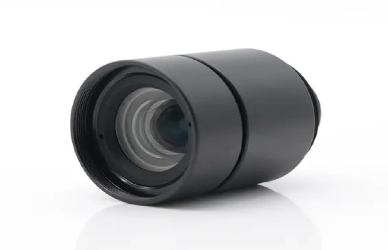
Beam splitter prisms are essential in optical systems, offering several benefits that enhance performance and efficiency. By dividing light into multiple paths, they improve imaging and analysis. Here are the key advantages:
Beam splitters enable simultaneous capture of different wavelengths, reducing the need for additional components, simplifying the system, and improving performance.
Example: In SWIR imaging, beam splitters divide light into SWIR and visible wavelengths, allowing both to be processed together.
By splitting light into different spectral components, beam splitters enable multi-spectral imaging, providing valuable data in applications like machine vision, medical imaging, and scientific research.
Example: In multi-spectral SWIR systems, beam splitters direct light to separate detectors for comprehensive analysis.
Beam splitters separate light with minimal distortion, preserving image clarity, which is crucial for high-precision applications.
Example: In medical imaging, beam splitters ensure minimal distortion, allowing accurate tissue analysis.
Beam splitters offer a compact, cost-effective solution for multi-channel or multi-spectral imaging, reducing system complexity and cost.
Example: Industrial inspection systems use beam splitters to simultaneously inspect multiple spectral bands, lowering costs.
Beam splitters optimize light capture by directing it to different detectors, enhancing efficiency and image clarity.
Example: In spectroscopy, beam splitters enable precise measurements across different spectral bands.
Beam splitter prisms are versatile components used across a wide range of industries, enhancing optical systems by dividing light into multiple paths. Their ability to enable multi-spectral imaging, reduce system complexity, and improve efficiency makes them invaluable in fields such as machine vision, medical imaging, and scientific research. Here’s an overview of their applications in different sectors:
Beam splitter prisms play a crucial role in industrial automation, quality control, and inspection systems. They are used to split light into multiple spectral bands, allowing for the simultaneous capture of different wavelengths for material analysis, defect detection, and surface inspection.
Example: In automated manufacturing, beam splitters are used to inspect surfaces for defects using both visible and SWIR light, enabling comprehensive quality checks in a single scan.
In medical diagnostics, beam splitter prisms enable multi-modal imaging systems by dividing light into various wavelengths. This allows for simultaneous imaging using different imaging techniques (such as visible light and infrared) for improved tissue analysis, better contrast, and accurate diagnosis.
Example: In endoscopic procedures, beam splitters are used to separate visible and infrared light, providing both high-resolution surface imaging and deeper tissue insights, improving diagnostic accuracy.
Beam splitter prisms are critical in scientific experiments, particularly in spectroscopy, where multiple wavelengths need to be analyzed simultaneously. These prisms enable the separation of light into distinct spectral bands, allowing researchers to study the composition and properties of various materials.
Example: In spectroscopy, beam splitter prisms help separate light into different wavelengths for simultaneous analysis, aiding in chemical analysis, environmental monitoring, and material characterization.
In astronomy, beam splitter prisms are used in telescopes to split light from distant celestial bodies, allowing multiple sensors to capture different parts of the light spectrum simultaneously. This enhances the ability to study astronomical objects across different wavelengths.
Example: In observatories, beam splitters help collect visible and infrared data simultaneously, enabling astronomers to analyze stars, planets, and galaxies more effectively.
Beam splitter prisms are used in environmental monitoring systems to analyze multiple wavelengths of light, which is essential for tracking pollutants, studying ecosystems, and monitoring atmospheric conditions.
Example: In air quality monitoring, beam splitters separate light into multiple spectral ranges, enabling the detection of pollutants based on their specific spectral signatures.
A beam splitter prism can divide light based on wavelength, intensity, or polarization, depending on the design and application.
By dividing light into different paths, beam splitter prisms enable multi-spectral imaging, reducing the need for multiple optical components and improving system efficiency.
Yes, beam splitter prisms can be designed to work in both visible and infrared spectra, making them versatile in various imaging systems, including those with SWIR lenses.
Beam splitter prisms are used to separate light into multiple channels, allowing simultaneous capture of different wavelengths or spectral bands in multi-channel imaging systems.
Beam splitter prisms are vital components in optical systems, playing a crucial role in enhancing imaging capabilities, especially when paired with Short-Wave Infrared (SWIR) lenses. By dividing light into multiple paths, these prisms enable multi-spectral imaging, allowing for the simultaneous capture of different wavelengths and improving the overall efficiency of the system. Whether it's for machine vision, medical imaging, scientific research, or other advanced applications, beam splitter prisms help optimize optical performance by minimizing distortion and reducing the need for additional components. Their ability to separate light based on wavelength, intensity, or polarization enhances the precision and versatility of SWIR systems, providing clearer, more detailed images. In systems using SWIR lenses, beam splitters are essential for obtaining comprehensive data, making them indispensable tools in modern optical technologies.


