
Views: 0 Author: Site Editor Publish Time: 2025-09-19 Origin: Site


When you use an endoscope, image quality becomes the most important factor for success. High-resolution Endoscope Lenses help capture tiny details that support early disease detection and accurate diagnosis. You benefit from sharper visuals, which let surgeons make quick, informed decisions and improve recovery rates. A wide field of view and versatile design also allow you to adapt to different medical or industrial tasks, while advanced lens types and materials ensure clarity even in challenging environments.
High-resolution endoscope lenses enhance image quality, supporting early disease detection and accurate diagnosis.
Understanding different lens types, like objective and relay lenses, helps you choose the right endoscope for your needs.
Advanced lens systems, such as metalens and EDOF, improve performance and usability in both medical and industrial applications.
Selecting the right materials, like optical glass or fused silica, ensures durability and clarity in endoscopic procedures.
Regular cleaning and sterilization of endoscope lenses are crucial for maintaining image quality and preventing infections.
Understanding the different types of lenses used in an endoscope helps you appreciate how these devices deliver high-quality images. Each lens type plays a unique role in image formation and transmission, which directly affects the performance of your endoscope during medical or industrial procedures.
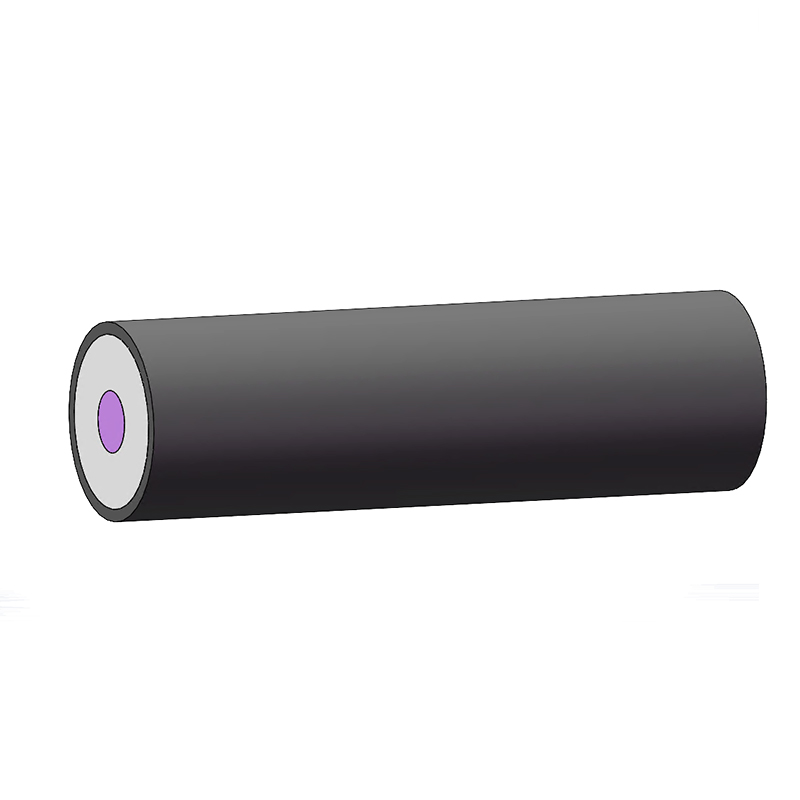
Objective lenses form the first image inside the endoscope. You rely on these lenses to capture the scene with the right resolution and field of view. The design of an objective lens depends on what you need to see. For example, some procedures require a wide field, while others need high magnification.
Lens Type | Function | Design Characteristics |
|---|---|---|
Objective Lens | Forms the initial image with specific optical parameters. | Designed based on requirements for resolution, field of view, wavelength range, etc. |
Relay Lens | Transfers the image to an observer or imaging device, correcting inversion. | Allows image translation without significant degradation of quality; can be extended. |
You will notice that the objective lens determines the initial quality of the image. In fluorescence endoscopy, the choice of objective lens can minimize focus shift and chromatic aberrations, which improves image clarity.
Relay lenses take the image formed by the objective lens and pass it along the length of the endoscope. These lenses make sure the image reaches your eye or a camera without losing detail.
Relay lenses receive the image from the objective lens and relay it to the eyepiece.
They optically manipulate the light path and can invert the image.
Typically made of one or more lenses or achromatic doublets.
Relay lenses allow you to use longer endoscopes without sacrificing image quality. In fluorescence endoscopy, relay lenses help maintain sharpness and reduce color distortion, which is important for accurate diagnosis.
Rod lenses use solid glass rods to transmit images. You benefit from their ability to keep images bright and sharp over longer distances. Rod lenses often appear in rigid endoscopes, where you need a straight, durable design.
GRIN (Gradient Index) lenses use a special material that bends light gradually. This design lets you create compact endoscopes with excellent optical clarity. GRIN lenses help you achieve high resolution in small-diameter scopes, which is useful for delicate procedures.
Tip: Rod and GRIN lenses both improve image transmission, but GRIN lenses offer more flexibility in miniaturized designs.
Cylindrical and aspheric lenses correct distortions that can blur your view inside the body or machinery. You will find these lenses especially helpful when you need precise visualization.
Aspherical lenses used in endoscopes and microscopes reduce spherical aberrations, improving resolution and enabling precise visualization of tissues and organs.
Aspheric lenses correct distortions and provide clearer visuals of internal structures.
They enhance diagnostic accuracy by providing clearer and more detailed visuals of internal organs and tissues.
This improvement aids doctors in identifying abnormalities with greater precision.
Cylindrical lenses correct image distortions in endoscopy.
They provide clearer images of internal structures as the endoscope moves through the digestive tract.
In mammography, cylindrical lenses enhance image quality and resolution, which is crucial for accurate diagnosis.
When you use these advanced lens types, you get sharper images and better clarity, which supports both medical and industrial applications.
Fiber optic lenses use bundles of thin glass fibers to transmit images. You will often choose fiber optic lenses for flexible endoscopes, where you need to navigate tight or curved spaces.
Advantage | Description |
|---|---|
Greater Flexibility | Fiber optic bundles allow for easier navigation through complex pathways, enhancing inspection capabilities in environments with bends or angles. |
Durability and Resistance | Fiberscopes are more durable and less susceptible to damage from environmental factors, ensuring reliable performance in harsh conditions. |
Lower Cost | Generally, fiberscopes are less expensive due to their simpler design and lack of complex electronic components, making them more accessible for budget-conscious industries. |
Easier Maintenance and Repair | The simpler design of fiberscopes allows for easier and more cost-effective maintenance and repair compared to video borescopes. |
Explosion Proof and Safe | Fiberscopes can be designed to be explosion proof and intrinsically safe, making them suitable for use in hazardous environments, which is crucial in industries like oil and gas and chemical processing. |
You gain several advantages with fiber optic lenses. They offer greater flexibility, which helps you inspect complex pathways. Their durability and resistance to harsh environments make them ideal for industrial inspection. Fiber optic lenses also lower costs and simplify maintenance, which benefits both hospitals and factories.
Note: The choice of lens type affects the resolution and clarity of endoscopic images. Low-dispersion lens elements reduce chromatic aberrations, which keeps your images sharp and clear.
By understanding these lens types, you can select the right endoscope for your needs, whether you work in medicine or industrial inspection.
You depend on image quality when you perform endoscopic procedures. High image quality lets you see fine details, which is essential for accurate diagnosis and treatment. The design and technology of endoscope lenses play a major role in delivering sharp, clear images.
Several key metrics help you evaluate image quality in endoscopy:
Modulation Transfer Function (MTF): Measures how well the lens can reproduce contrast at different spatial frequencies.
Contrast Transfer Function (CTF): Assesses the ability of the lens to maintain contrast in the image.
When you use fluorescence endoscopy or nir fluorescence imaging, you need lenses with excellent optical clarity. These lenses must transmit light efficiently and minimize distortion. Antireflective coatings on the lens surface reduce glare and improve clarity, especially in low-light environments. You also benefit from low-dispersion glass, which keeps colors true and sharp.
Tip: Always check the MTF and CTF ratings when you compare endoscope lenses. Higher values mean better image quality and more reliable results during endoscopic procedures.
Field of view (FOV) determines how much of the scene you can see at once. A wider FOV helps you observe larger areas without moving the endoscope, which is important in both medical and industrial inspection. Different lens designs offer unique FOV characteristics and impact your workflow.
Lens Design | Field of View | Resolution | Notes |
|---|---|---|---|
Bifocal Lens | Dual FOV | Low and High | Lets you switch between low-magnification and high-resolution imaging. |
Metalens | Large FOV | Varies | Suitable for tri-color scanning; may have lower contrast. |
Polychromatic Metalens | 54° | - | Limited by the actuation range of the single-mode fiber. |
Novel Endoscope | Various FOVs | - | Provides multiple FOVs without movement or bending. |
You can select a lens system that matches your needs. For example, a bifocal lens allows you to switch between wide-area views and detailed close-ups without mechanical adjustments. Metalens designs give you a large FOV, which is useful for scanning broad regions in fluorescence endoscopy. Some advanced systems offer multiple FOVs to help you avoid damaging fragile tissues.
Recent advancements in endoscope lens technology have transformed what you can achieve during endoscopy. Modern lens systems now offer features that improve both performance and usability.
Advancement | Description |
|---|---|
Metalens System | Reduces endoscope diameter by over 50%, enabling access to previously unreachable areas. |
Extended Depth of Field (EDOF) | Provides sharp images with a wide depth of field, keeping entire lesions in focus during examinations. |
Chromatic Aberration Utilization | Uses chromatic aberration to enhance depth sensing and create 3D images. |
Dual Prism Light Splitting | Splits light for simultaneous near and far-focused images, improving overall clarity. |
Compatibility with Advanced Imaging | Supports texture and color enhancement imaging for better diagnostic capabilities. |
You can now use endoscopes with metalens systems that make the device much smaller. This improvement lets you reach areas that were once impossible to access, such as deep within the brain. Extended Depth of Field (EDOF) technology keeps more of the image in focus, which is especially helpful in fluorescence endoscopy. Some systems use chromatic aberration, a property once considered a flaw, to create three-dimensional images and improve depth perception.
Lens Type | Description | Impact on Depth Perception |
|---|---|---|
Metalens | Coin-shaped lens directing RGB light to multiple focal spots. | Enhances 3D imaging for better depth perception. |
3D Imaging System | Software-based system generating 3D images from 2D footage. | Improves depth perception by creating depth maps. |
You benefit from these advanced lens systems because they provide better optical clarity and more accurate visualization. In fluorescence endoscopy, these features help you identify lesions and abnormalities with greater confidence. The combination of innovative lens design and advanced coatings, such as antireflective coatings, ensures that you get the best possible results in both medical and industrial settings.
Note: Traditional 3D endoscopes were often bulky and hard to use. New software-based 3D systems let you switch between 2D and 3D views easily, generating 3D images from standard footage and enhancing your depth perception.
By understanding these key features, you can choose endoscope lenses that deliver superior image quality, a wide field of view, and advanced imaging capabilities. These improvements support better outcomes in endoscopy and fluorescence endoscopy, whether you work in healthcare or industrial inspection.
You rely on optical glass for clear and sharp images during endoscopic procedures. This lens material stands out because it maintains high image quality and resists daily wear. Optical glass helps you see fine details, which supports accurate diagnosis and treatment. You can extend the lifespan of your lens by following proper cleaning and maintenance routines. High-quality optical glass withstands frequent use and cleaning, so you get consistent performance over time.
Common lens materials used in endoscope lenses include:
Glass: Delivers excellent light transmission and durability, but may be heavier and more fragile.
Plastic: Offers a lightweight and impact-resistant option, though it can scratch easily and may not match the optical quality of glass.
Fused Quartz: Provides high thermal stability and resists scratches, making it suitable for demanding environments.
Calcium Fluoride: Features a low refractive index and high transmission, ideal for high-performance lenses.
Synthetic Sapphire: Extremely hard and scratch-resistant, with outstanding optical clarity.
Tip: Choose optical glass when you need sharp images and reliable performance in both medical and industrial settings.
You often see borosilicate and fused silica used in endoscope lens construction. These lens materials offer unique benefits for different applications. Fused silica gives you high purity, near-zero thermal expansion, and excellent resistance to thermal shock. This makes it perfect for precise optical filters and medical tools that face high temperatures. Borosilicate glass provides strong thermal and chemical stability at a lower cost, making it a practical choice for everyday use.
Material | Key Benefits | Best Use Cases |
|---|---|---|
Fused Silica | High purity, thermal shock resistance, clarity | Medical optics, optical filters |
Borosilicate | Affordable, strong, good thermal resistance | Routine endoscopes, industrial |
You select fused silica for high-temperature jobs and superior clarity. Borosilicate works well for medium-heat tasks and offers strength against physical stress. Both materials support the use of advanced optical filters, which improve image quality and diagnostic accuracy.
You want your endoscope lens to last through many procedures. Lens durability depends on the quality of lens materials and how you handle and maintain your equipment. In clinical and industrial settings, you measure durability by image focus and sharpness. The Modulation Transfer Function (MTF) helps you assess how well your lens reproduces images. Spinal endoscopes often last for 50 to 100 surgeries, but rough handling or poor cleaning can shorten this lifespan.
Rod lenses may degrade over time due to high autoclave temperatures, causing adhesives to fail.
You should follow strict cleaning protocols to prevent permanent damage and maintain image quality.
Contingency plans help you replace broken endoscopes quickly during critical procedures.
Note: Always check the durability rating and maintenance guidelines for your lens. This ensures you get reliable performance and clear images, whether you use optical filters in medical diagnostics or industrial inspection.
When you select endoscope lenses, you need to consider the differences between medical and industrial applications. Medical endoscopes help you perform endoscopic procedures, such as fluorescence endoscopy and nir fluorescence imaging, where optical clarity and safety matter most. You look for lenses with soft, medical-grade materials to avoid harm during surgery. These lenses must deliver high-resolution imaging and clarity for accurate diagnosis.
Industrial endoscopes support tasks like industrial inspection, where durability and resistance to harsh chemicals are essential. You choose lenses made from wear-resistant and acid-alkali resistant materials. Compact and portable designs help you inspect machinery in outdoor or confined spaces. The table below highlights key differences:
Criteria | Medical Endoscopes | Industrial Endoscopes |
|---|---|---|
Intended Use | Inspections and surgeries on humans | Non-destructive testing in various industries |
Image Quality | Focus on color and softness of images | Metal reflection and lighting intensity |
Material Specifications | Medical-grade, soft materials | Wear-resistant, acid-alkali resistant |
Size Considerations | Larger for equipment compatibility | Compact and portable |
Tip: Always match the lens material and design to your specific application. This ensures you achieve the best optical properties and clarity for your needs.
You need to evaluate several factors before choosing an endoscope lens. For medical use, prioritize high-resolution imaging, advanced features like color enhancement, and ergonomic design to reduce fatigue. You also want a wide field of view for broad detection and a suitable focal length for precise focus. Depth of field and object distance affect how clearly you see structures during endoscopy and fluorescence endoscopy.
For industrial inspection, balance cost and performance. The market offers high-end, mid-tier, and low-cost options. You select configurations that meet your inspection goals while staying within budget. Consider ease of use and compatibility with existing equipment. Regulatory standards, such as FDA classification and quality control, guide your choices in medical settings.
Key selection factors include:
Image quality and optical clarity
Field of view and focal length
Depth of field and object distance
Ergonomic and user-friendly design
Compatibility with equipment
Material selection based on wavelength and refractive index
Customization of lens dimensions and magnification
Recent trends show a rise in dual lens endoscopes for minimally invasive procedures. You benefit from advancements in medical imaging and robotic systems, which improve surgical outcomes and reduce complications. Antireflective coatings enhance clarity and optical clarity, especially in fluorescence endoscopy and nir fluorescence imaging.
Note: Always consult with an endoscope lens manufacturer to ensure your lens meets regulatory standards and delivers the required performance for your application.
You have learned about the main types of endoscope lenses, including single-lens, dual-lens, and auto-focus designs. The table below highlights their key features:
Lens Type | Description |
|---|---|
Single-Lens | Fixed-focus, front-facing sensor |
Dual-Lens | Front and side-view sensors |
Triple-Lens | Front and two side-view sensors |
Auto-Focus | Single, auto-focus sensor |
Rotating Dual-Lens | Rotating side-view capability |
Liquid-infused coatings on endoscope lenses improve optical clarity and reduce cleaning time, which helps you achieve better results and lower risks.
When you select an endoscope, focus on clarity, durability, and optical clarity. Choose high-resolution lenses for accurate diagnostics and always consider cleaning and infection control for safe procedures.
You should follow strict sterilization protocols. Use approved cleaning solutions and avoid harsh chemicals. Rinse the lens thoroughly. Dry with a lint-free cloth. Sterilization helps prevent infection and keeps your Endoscope Lenses clear for medical or industrial inspection.
You need to perform sterilization after every use. This routine protects patients and equipment. Regular sterilization also extends the life of your Endoscope Lenses. Always check guidelines from your endoscope lens manufacturer for specific sterilization steps.
You can use Endoscope Lenses for medical and industrial inspection, but you must follow different sterilization standards. Medical procedures require more frequent and thorough sterilization. Industrial inspection may need less frequent sterilization, but you should still clean lenses to maintain image quality.
Sterilization removes bacteria, viruses, and debris. You reduce the risk of infection in medical settings. In industrial inspection, sterilization prevents contamination of sensitive equipment. Your endoscope lens manufacturer will recommend sterilization methods to keep your Endoscope Lenses safe and effective.
You should avoid using abrasive materials or unapproved chemicals. These can damage the lens surface. Always follow sterilization instructions from your endoscope lens manufacturer. Proper sterilization keeps your Endoscope Lenses ready for medical and industrial inspection.


