
Views: 0 Author: Site Editor Publish Time: 2025-08-27 Origin: Site


Medical professionals use two primary types of endoscope—rigid and flexible—to visualize internal organs during diagnostic or therapeutic procedures. These medical endoscopes have become essential tools in medical diagnostics worldwide. Reports estimate that over 250 million endoscopic procedures occur globally each year, reflecting the growing role of these instruments in modern medical care. Understanding the differences between a Rigid Endoscope and its flexible counterpart can help patients feel more confident and informed about their upcoming medical procedures.
Rigid endoscopes have a solid metal tube that provides stability and high-quality images, making them ideal for precise surgical procedures.
Flexible endoscopes bend and twist to navigate curved body areas, offering greater patient comfort and access to hard-to-reach places.
Rigid endoscopes are easier to clean and sterilize, reducing infection risks, while flexible endoscopes require careful, complex cleaning to ensure safety.
Doctors choose rigid endoscopes for surgeries needing steady views and flexible endoscopes for diagnostic exams in curved or narrow pathways.
Both types of endoscopes play vital roles in medicine, with advances improving safety, comfort, and effectiveness for patients.
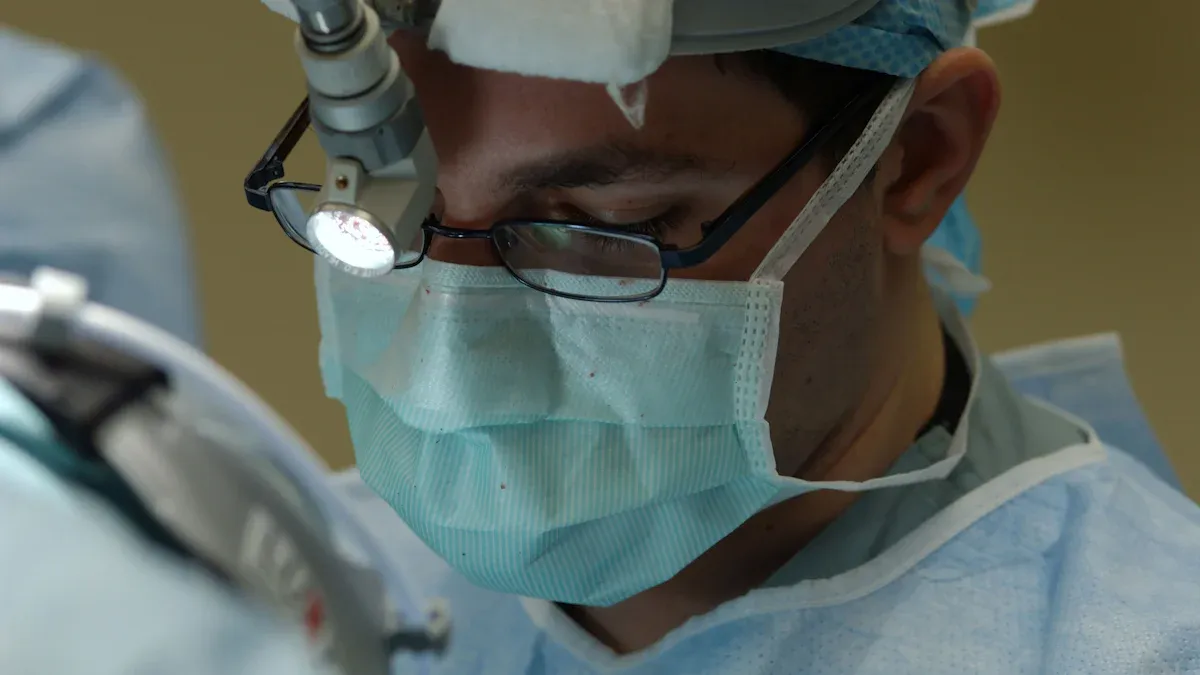
A rigid endoscope features a robust metal tube design that sets it apart from flexible models. The rigid tube endoscope consists of several key components:
A metal outer sheath that provides strength and stability.
Optical lenses arranged within the tube for clear visualization.
A light optical arm with a two-fiber interface to deliver illumination.
Imaging instruments that capture and transmit visuals to external monitors.
This rigid tube endoscope maintains a fixed, inflexible structure, which ensures precise control during medical procedures. Unlike flexible endoscopes, rigid tube endoscopes do not bend or curve. Their viewing angles remain constant, typically at 0, 30, or 70 degrees. These structural differences make rigid tube endoscopes ideal for surgical tasks that demand spatial orientation and depth accuracy. Medical professionals rely on rigid tube endoscopes for their stability and direct line of sight, which is essential for delicate operations.
Rigid endoscopes play a vital role in various medical specialties. Neurosurgeons use rigid tube endoscopes for intracranial procedures, such as cerebellopontine angle surgery, where precision is critical. Orthopedic surgeons depend on rigid tube endoscopes for arthroscopy and joint examinations. General surgeons utilize rigid tube endoscopes in laparoscopic procedures, including hernia repairs. Urologists perform trans-urethral resections of bladder tumors and the prostate using rigid tube endoscopes. Colorectal surgeons employ rigid tube endoscopes for sigmoidoscopy to diagnose ano-rectal diseases. The table below highlights common applications:
Medical Specialty | Common Procedures Using Rigid Tube Endoscopes |
|---|---|
Neurosurgery | Intracranial visualization, cerebellopontine angle surgery |
Orthopedics | Arthroscopy, joint procedures |
General Surgery | Laparoscopic hernia repair |
Urology | TURBT, TURP |
Colorectal Surgery | Rigid sigmoidoscopy |
Rigid tube endoscopes offer the stability and accuracy required for these complex medical interventions.
Rigid endoscopes deliver superior image quality compared to flexible models. Their fixed optical pathways and advanced rod-lens technology provide high-definition imaging with excellent light transmission. This results in clear, high-resolution visuals, especially in linear anatomical regions such as joints and abdominal cavities. Medical teams prefer rigid tube endoscopes when clarity and resolution are essential for diagnosis or treatment. The rigid construction allows for stable handling, minimizing distortion and maximizing detail. Although flexible endoscopes have improved, rigid tube endoscopes remain the standard for procedures where image quality and resolution cannot be compromised.
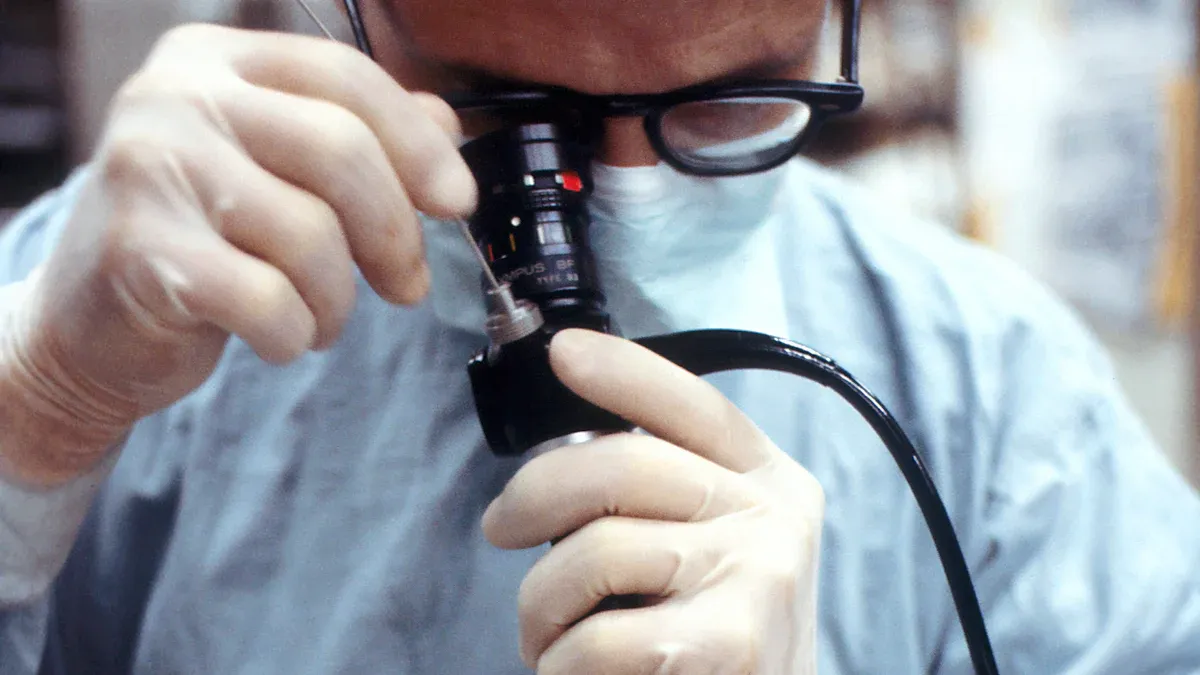
Flexible tube endoscopes feature a unique design that allows them to bend and twist through the body's natural curves. Unlike rigid endoscopes, these instruments use a coil of flexible tubing inside an elastic polyurethane outer jacket. The flexible tube endoscope includes several components: a front tip, a bending section, an insertion tube, manipulation controls, and an observation lens. The bending section enables angulation up to 180 degrees, providing exceptional flexibility for navigating complex anatomical pathways. The table below highlights the main structural differences between rigid and flexible tube endoscopes:
Aspect | Rigid Endoscopes | Flexible Endoscopes |
|---|---|---|
Structure | Firm, inflexible metal tube providing strength and stability | Coil of flexible tubing inside an elastic polyurethane outer jacket allowing bending and twisting |
Components | Simple tube with optical lenses and light channels | Multiple parts: front tip, bending section, insertion tube, manipulation controls, observation lens |
Bending Capability | None (fixed geometry) | Bending section enables angulation up to 180 degrees |
Materials | Metal rods for rigidity and precision | Flexible coils with polyurethane outer casing for elasticity and sealing |
Functional Purpose | Provides stable, precise view for surgical procedures | Designed to navigate natural body curves and cavities for examination and treatment |
Control Features | No angulation controls | Angle regulator knob and buttons to adjust suction, water, air |
Application Suitability | Surgeries requiring fixed geometry and stability | Procedures requiring flexibility to access curved or difficult-to-reach areas |
Flexible tube endoscopes represent a major advancement in endoscopic equipment, offering versatility and adaptability for a wide range of medical procedures.
Medical professionals rely on flexible endoscopes for both diagnostic and therapeutic interventions. These instruments excel in procedures that require navigation through curved or narrow anatomical spaces. Common types of flexible tube endoscopes include gastroscopes, colonoscopes, bronchoscopes, duodenoscopes, and cystoscopes. The following list outlines frequent uses:
Gastroscopes examine the upper digestive tract during gastroscopy.
Colonoscopes visualize the large intestine in colonoscopy procedures.
Bronchoscopes inspect airways and lungs during bronchoscopy.
Duodenoscopes assist in endoscopic retrograde cholangiopancreatography (ERCP).
Endoscopic ultrasound utilizes flexible tube endoscopes for imaging and intervention.
Flexible tube endoscopes play a critical role in gastroenterology and pulmonology, enabling physicians to diagnose and treat conditions with minimal invasiveness.
Flexible endoscopes offer significant advantages in patient comfort compared to rigid models. Studies show that patients experience much less pain during procedures with flexible tube endoscopes. For example, in cystourethroscopy, the mean pain score for flexible endoscopes was 2.1, while rigid endoscopes scored between 5.7 and 6.8. All patients reported a reduction in pain when switching from rigid to flexible tube endoscopes. Age did not influence comfort levels. The table below summarizes these findings:
Parameter | Flexible Cystourethroscopy | Rigid Cystourethroscopy |
|---|---|---|
Number of patients | 60 | 60 |
Mean pain score (NRS, 0-10) | 2.1 | 5.7 to 6.8 |
Pain range | 1 to 5 | 0 to 10 |
Change in pain compared to prior rigid CS | All patients reported pain reduction | No significant change |
Influence of age on pain | None observed | None observed |
Flexible tube endoscopes provide a more comfortable experience, making them the preferred choice for many medical procedures.
Flexibility stands as the most significant difference between rigid and flexible endoscopy. Rigid endoscopes have a fixed, inflexible shaft that maintains a straight shape throughout medical procedures. This design provides predictable control and structural stability, which is essential for surgeries that demand high precision, such as neurosurgery or orthopedic interventions. However, the rigid structure limits their ability to navigate curved or complex anatomical pathways.
Flexible endoscopes, on the other hand, feature a coil-based design with an elastic outer jacket. This construction allows the endoscope to bend, twist, and steer through the body's natural curves. Flexible endoscopes can achieve tight bending radii, making them ideal for accessing hard-to-reach areas in the digestive or respiratory tracts. The flexibility of these instruments depends on technical factors like coil pitch, wire width, and material stiffness. Medical teams often choose flexible endoscopes for procedures that require navigation through tortuous anatomy, while rigid endoscopes remain the standard for stable, direct access.
Note: Flexible endoscopes offer greater adaptability but present challenges in fabrication and safety, especially in delicate surgeries. Hybrid designs attempt to combine the best features of both types, but current technology still faces limitations.
Visualization capabilities differ greatly between rigid and flexible endoscopes. Rigid endoscopes provide a fixed-length, straight-line view with specific viewing angles, such as 0, 30, or 70 degrees. This setup ensures a stable, continuous image, which is crucial for procedures that require precise manipulation and orientation. The alignment of the light source, camera, and scope shaft in a straight line enhances image clarity and makes orientation straightforward.
Flexible endoscopes incorporate a bending section controlled by angulation wires, allowing the tip to move in multiple directions. This flexibility enables the endoscope to follow the body's natural curves, offering adaptable viewing angles and superior maneuverability. While flexible endoscopes may not match the image resolution of rigid models, their ability to visualize complex anatomical regions makes them indispensable for diagnostic and therapeutic procedures in the gastrointestinal and respiratory systems.
Sterilization protocols for endoscopes vary based on their design and clinical use. Rigid endoscopes, classified as critical devices, enter sterile body areas and require sterilization methods such as steam sterilization. Their simple, solid construction makes cleaning and sterilization more straightforward, reducing the risk of infection.
Flexible endoscopes, due to their intricate design and internal channels, present greater challenges for effective sterilization. The updated ANSI/AAMI ST91:2021 standard now classifies flexible endoscopes as high-risk devices, recommending sterilization rather than just high-level disinfection. This change addresses concerns about pathogen transmission, biofilm formation, and complex device design. Automated sterilization methods are preferred to ensure consistency and safety. Healthcare facilities must collaborate with manufacturers to implement proper protocols, as inadequate reprocessing can increase infection risks.
Device Type | Contact Type | Recommended Processing Protocols | Notes |
|---|---|---|---|
Rigid Endoscopes | Enter sterile body areas | Sterilization required (e.g., steam sterilization) | Includes surgical instruments, laparoscopes, implanted devices |
Flexible Endoscopes | Contact mucous membranes or non-intact skin | Sterilization preferred; high-level disinfection minimum | High-risk types (e.g., duodenoscopes, bronchoscopes) require liquid chemical sterilization |
Tip: Manual high-level disinfection is discouraged for flexible endoscopes due to variability. Automated methods improve safety and consistency.
The difference between rigid and flexible endoscopy directly influences their clinical applications. Rigid endoscopes excel in procedures that require stability, precision, and high image quality. Surgeons use them in neurosurgery, orthopedics, and laparoscopic surgery, where a straight, stable view is essential. These procedures often involve direct access to the surgical site and may require larger incisions.
Flexible endoscopes are the preferred choice for exploring natural body pathways, such as the gastrointestinal or respiratory tracts. Their flexibility allows them to navigate curves and loops, making them suitable for gastroscopy, colonoscopy, bronchoscopy, and other minimally invasive procedures. Flexible endoscopes offer greater patient comfort, shorter recovery times, and less pain compared to rigid models.
Aspect | Rigid Endoscopes | Flexible Endoscopes |
|---|---|---|
Clinical Applications | Neurosurgery, orthopedics, laparoscopic surgery | Procedures navigating natural body pathways |
Image Quality | Higher resolution, precise visualization | Lower resolution compared to rigid endoscopes |
Physical Characteristics | Straight, solid tube; requires larger incisions | Flexible tube; can bend to follow body curves |
Invasiveness | More invasive; may require general anesthesia | Less invasive; more comfortable for patients |
Stability and Precision | High stability and precision during manipulation | More delicate to handle; requires specific expertise |
Patient Recovery | Longer recovery, possible more pain and scarring | Shorter recovery, less pain |
Typical Use Case | Procedures needing direct, stable access and high image quality | Exploration of hard-to-reach or curved anatomical areas |
Handling and Maintenance | Easier to handle; lower maintenance costs | Requires rigorous cleaning; higher maintenance costs |
Healthcare professionals must receive specialized training for each type of endoscope. The complexity of flexible endoscopes demands more extensive instruction in cleaning, testing, and sterilization, while rigid endoscopes require less intensive training due to their simpler design.
A rigid endoscope offers several advantages in medical practice. Surgeons value its robust metal construction, which provides excellent stability and precise control during procedures. The rigid endoscope delivers high-definition images, making it ideal for surgeries that require detailed visualization. Its simple design allows for easier cleaning and sterilization, reducing infection risks. Environmental experts note that the rigid endoscope generates less waste and is more easily refurbished, making it a more sustainable choice for many medical facilities.
However, the rigid endoscope has limitations. Its inflexible structure restricts use to straight or easily accessible areas of the body. Patients may experience more discomfort during procedures, especially when compared to flexible endoscopes. Maintenance issues can arise from harsh impacts or twisting, which may damage optical components. Staff must handle the rigid endoscope with care to prevent costly repairs.
Tip: Proper training and gentle handling help extend the lifespan of a rigid endoscope and maintain image quality.
The flexible endoscope stands out for its ability to navigate the body's natural curves, allowing medical professionals to access hard-to-reach areas. Patients report higher satisfaction and comfort during procedures, as the flexible endoscope minimizes discomfort and supports patient-centered care. Physicians highlight that modern flexible endoscopes, combined with skilled technique, improve procedural outcomes and enhance communication with patients.
Despite these benefits, the flexible endoscope presents challenges. Its complex design requires meticulous cleaning and high-level disinfection to prevent infection. Failure to follow strict protocols has led to outbreaks in some medical centers. The flexible endoscope is also more prone to damage from excessive bending or kinking, leading to higher maintenance costs. Environmental studies show that the extensive reprocessing of flexible endoscopes increases waste and energy use, making them less eco-friendly than rigid models.
Feature | Rigid Endoscope | Flexible Endoscope |
|---|---|---|
Image Quality | Superior, high-definition | Good, but lower than rigid |
Patient Comfort | Less comfortable | More comfortable |
Cleaning & Sterilization | Easier, less risk of infection | Complex, higher infection risk if improper |
Maintenance | Durable, but sensitive to impact | Prone to bending/kinking damage |
Environmental Impact | Lower waste, more refurbishable | Higher waste, resource-intensive cleaning |
Clinical Use | Straight, accessible areas | Curved, hard-to-reach areas |
Medical teams select a rigid endoscope for procedures that demand high precision, stability, and clear visualization. Rigid endoscopes excel in surgical procedures where a direct, straight path to the target area exists. These instruments provide superior image quality and allow surgeons to manipulate tools with accuracy.
Emergency airway management often relies on rigid endoscopes. In critical situations, such as securing an airway or guided reintubation through a tracheostoma, rigid endoscopes offer better control than flexible alternatives.
Rigid bronchoscopy remains essential in respiratory and critical care medicine. Physicians use it for airway interventions and to manage benign tracheal stenosis.
Surgical procedures like arthroscopy, laparoscopy, and certain otolaryngology interventions benefit from the stability and optical clarity of rigid endoscopes.
Rigid endoscopes are the preferred choice when the procedure requires a stable, fixed view and precise manipulation, especially in emergencies or when treating non-tubular structures.
Flexible endoscopes are ideal for medical procedures that involve navigating curved or complex anatomical pathways. Their design allows for bending and angulation, making them suitable for diagnostic and therapeutic procedures in the digestive and respiratory tracts.
A systematic review found that flexible endoscopy can reduce hospital stays without compromising safety or effectiveness, especially in elderly patients. Flexible endoscopes are commonly used for gastroscopy, colonoscopy, bronchoscopy, and endoscopic ultrasound. These procedures require the scope to move through tubular or winding structures.
Clinical Consideration | Flexible Endoscope | Rigid Endoscope |
|---|---|---|
Anatomical Accessibility | Navigates curved, difficult-to-reach areas | Limited to straight or less curved areas |
Procedural Use | Diagnostic and therapeutic procedures needing flexibility | Surgical procedures needing high precision and stability |
Viewing Capability | Dynamic exploration with angulation | Fixed, stable images with set viewing angles |
Recent advancements, such as self-propelled and robotic flexible endoscopes, have improved maneuverability and patient comfort. These innovations make flexible endoscopes even more valuable for minimally invasive medical procedures.
Healthcare teams rely on both rigid and flexible endoscopes to perform a wide range of medical procedures. Rigid endoscopes provide stability and high image quality for surgical interventions, while flexible endoscopes offer comfort and adaptability for diagnostic procedures. Patients often ask about procedure types, risks, and safety. Providers address these concerns through clear communication and thorough preparation, which supports patient safety. Advances in device design and strict cleaning protocols continue to enhance safety and effectiveness for all endoscopic procedures.
A rigid endoscope is a medical instrument with a solid, inflexible tube. Surgeons use rigid endoscopes for procedures that require precise visualization and control. The rigid endoscope provides high-definition images and stable handling during surgery.
Doctors choose a rigid endoscope for surgeries involving straight anatomical areas. Rigid endoscopes offer superior image quality and stability. Flexible endoscopes work better for navigating curved or complex pathways.
A semi rigid endoscope combines features of both rigid endoscopes and flexible models. The semi rigid endoscope bends slightly but maintains some structural stability. This design helps doctors access areas that require limited flexibility.
Rigid endoscopes are safe when used by trained professionals. The rigid endoscope’s solid construction reduces infection risk due to easier sterilization. Patients may experience more discomfort compared to flexible endoscopes.
Staff must clean and sterilize the rigid endoscope after each use. Rigid endoscopes need careful handling to prevent damage. Regular inspections help maintain image quality and extend the lifespan of the rigid endoscope.


